


This information must be interlaced with knowledge of markets, customer behavior, and the like. The resulting conclusions can set in motion plans trial balance of action that bear directly on the overall fate of the organization. The choice of method depends on the industry and the nature of the production process.
How to Use Absorption Costing to Analyze Your Profitability and Performance?

Regularly reviewing production data ensures that overhead allocation aligns with real-time operations, maintaining cost accuracy and supporting informed financial decision-making. Using absorption costing provides https://mutiara777.com/what-is-an-audit-trail-types-purpose-importance/ businesses with a thorough understanding of their production costs. Below are some key benefits that make this method valuable for financial reporting and decision-making. This method ensures accurate product pricing and compliance with accounting standards like GAAP, making it vital for proper financial reporting and understanding a company’s true total cost of production.
- Absorption costing is the accounting method that allocates manufacturing costs based on a predetermined rate that is called the absorption rate.
- The sales director has informed us that they have received a quote to provide 12,000 pcs of a ski pant model, for a total contract price of 600,000 euro.
- In addition to the direct material and labour costs, this method also includes the necessary over head costs.
- While this task may seem straightforward for companies specializing in a single or limited range of products, it becomes increasingly complex for firms with a diverse product portfolio.
- This cost includes both variable costs (direct materials, direct labor, and variable manufacturing overhead) and a portion of the fixed manufacturing overhead (which is allocated based on the number of units produced).
- This technique involves allocating costs in a sequential manner, starting with the cost center that has the highest direct costs.
Variable Versus Absorption Costing
Overall, absorption costing provides a nuanced and full-bodied understanding of costs, empowering companies to make data-driven decisions, fulfill regulatory requirements, and maximize profitability. It means most companies would need to follow the absorption costing method at some stage for compliance purposes. Direct Materials represent the most tangible cost element, typically the largest component of product costs. These costs are usually the easiest to calculate since they can be directly traced to products through material requisition forms, purchase orders, and inventory tracking systems. Recognize that a reduction in inventory during a period will cause the opposite effect from that shown. Specifically, a portion absorption costing formula of the contents of the beginning inventory cup would be transferred to expense commensurate with the decrease in inventory.
Absorption Costing in Financial Accounting: A Comprehensive Overview
- Direct costs are expenses that can be directly linked to a specific product or service.
- Therefore, it is necessary to analyse and evaluate the pros and cons of the process and then decide whether it is suitable for the business.
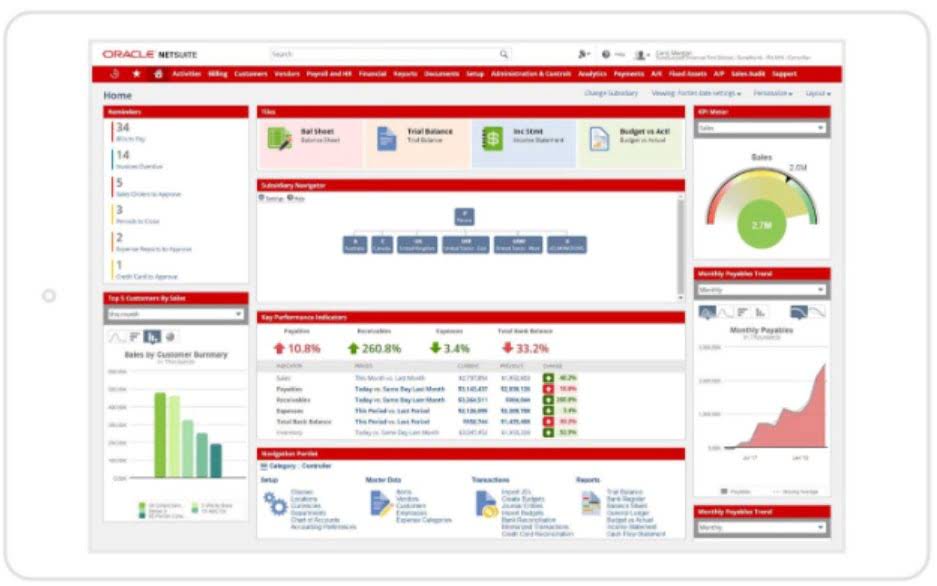
- Choose a solution like NetSuite that accommodates both, giving you the best of both worlds.
- To further emphasize the benefits of absorption costing in decision-making, let’s examine a case study.
- Therefore, variable costing is used instead to help management make product decisions.
- The main objective of absorption costing is to accurately calculate the cost of producing a single unit, considering all manufacturing expenses.
- Direct overhead costs are those that can be traced to a specific product or service, such as direct labor or direct materials.
It measures the percentage of total costs that are variable in nature, fluctuating based on production volume. Absorption costing is mandated by GAAP due to the core principle of GAAP’s “matching principle,” which stipulates that expenses must be recognized in the same period as the revenue they generate. In absorption costing, manufacturing expenses are recognized only when products are sold, ensuring that expenses are correctly matched with the revenue. To ascertain the total value of inventory for your balance sheet, you multiply the calculated cost per unit by the number of unsold units at the close of the reporting period. For practical applications and examples, consult the ‘Absorption Costing Examples’ section. Absorption costing considers fixed overheads in addition to variable costs.

Calculation of the Costs
The term absorption costing refers to the method in which the entire production cost is allocated to each and every output proportionately. It is a very common method used widely in the business especially in the manufacturing sector, and in this way the company is able to determine the cost of individual product and services. Absorption costing may report a higher net income during periods when inventory increases, as unsold units absorb a portion of the fixed manufacturing overhead.
How Does AI-Powered Investment Portals Help Investors in the Decision Making Process
- Though absorption costing stands as the go-to, GAAP-compliant methodology for inventory valuation, it’s not the sole costing strategy employed by businesses.
- Master absorption costing with our clear formula, practical examples, and free online calculators.
- Variable costing is another method of accounting that assigns only the variable costs of production to the units of output.
- Shifts in fixed costs, direct labor costs, or the price of direct materials can affect total production expenses.
- As a result, when using an absorption statement, it is common to find that the expense on the income statement is smaller.
Under this method, the profitability increases as the products are manufactured in large quantities. In case when units are still in stock the fixed overhead costs are not transferred to the expenses report. When choosing between absorption cost and other costing methods, consider your business’s needs. Factors such as units produced, variable costs, and administrative costs play a significant role in determining the best approach. By doing so, you can make better-informed financial decisions for your company.